Tucked away in the quiet folds of Himachal Pradesh’s Banjar Valley, Jibhi remains one of the western Himalayas’ most bewitching hideaways. Surrounded by whispering deodar forests, freshwater trout streams, and century-old stone-and-cedar kothis, this hamlet offers an antidote to the bustling tourist hubs of Manali and Shimla.
Whether you dream of waking up to snowy pine branches outside your wooden balcony, trekking through wildflower-carpeted alpine meadows, or picking ripe apples straight from family orchards, timing your trip is everything. Here is our complete, season-by-season guide to visiting Jibhi.
1. Spring (March to May) — Wildflower Trails & Warm Sun
Spring in Jibhi is nothing short of magical. As the winter frost retreats, the valley awakens in an explosion of white and pink apple blossoms, vibrant rhododendrons, and emerald green terrace fields. The weather during these months is gloriously pleasant — daytime temperatures hover comfortably around 18°C to 24°C, making it ideal for day hikes and outdoor exploration.
- Weather: Crisp mornings, sunny afternoons, and pleasantly cool evenings (10°C to 22°C).
- Key Highlights: Forest treks along the Tirthan river, clear birdwatching conditions, and the opening of high-altitude passes.
- What to pack: Light cotton layers for the day, a fleece or light down jacket for late evenings, and sturdy hiking shoes.
Traveler’s Note: Early April is the prime blossom window. If you wish to photograph the orchards in full floral glory, plan your stay between the first and third weeks of April.
2. Summer (June) — Escaping the Heat of the Plains
While the Indian plains simmer in sweltering summer heat, Jibhi remains refreshingly cool. The snow on Jalori Pass completely melts by late May, unlocking the iconic trek to the crystal-clear waters of Serolsar Lake and the mystical Raghupur Fort ruins.
June is also trout angling season in the nearby Tirthan River. Spending an afternoon casting lines in cold glacial rapids while cedar breeze rustles overhead is quintessential slow travel.
3. Monsoon (July to August) — Lush Greenery & Mountain Solitude
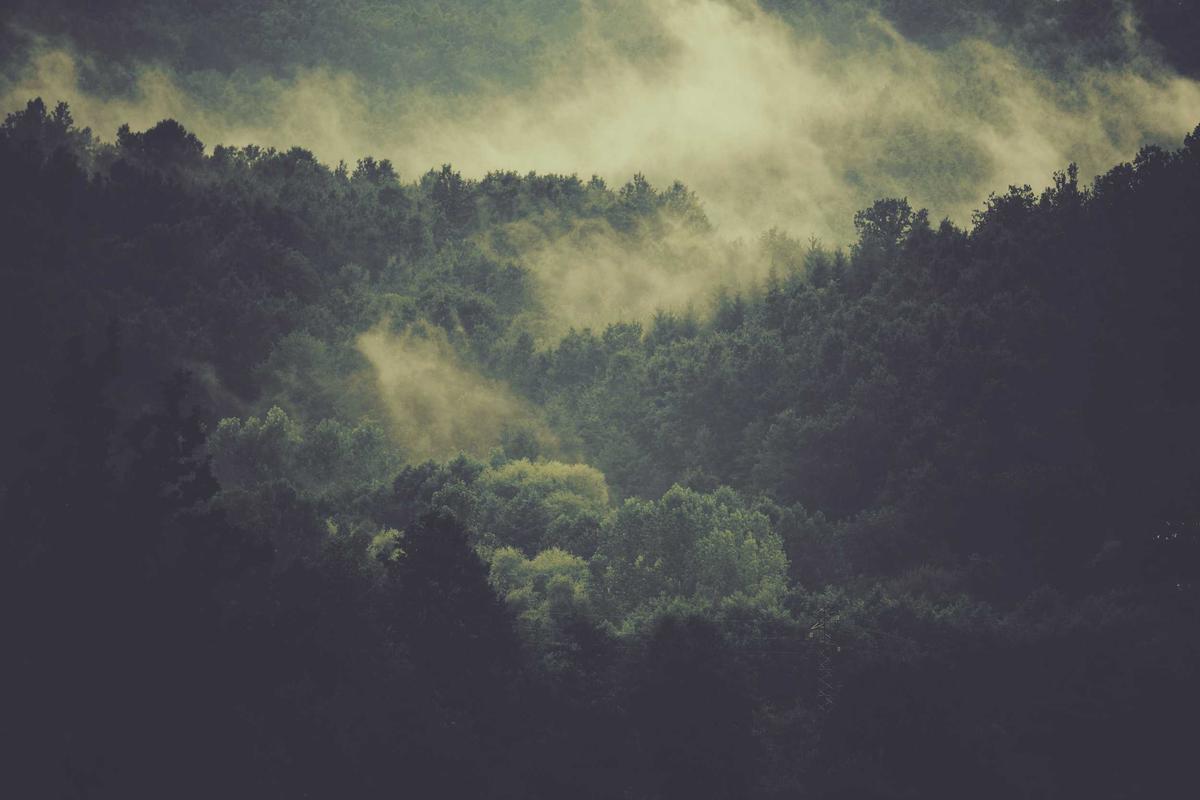
The monsoon transforms Jibhi into a lush, emerald rainforest. The deodar trees turn a deep jade, cloud banks drift gracefully across village rooftops, and the Jibhi Waterfall roars with thunderous energy. For artists, writers, and couples looking for quiet isolation, monsoon is a poetic time to visit.
However, road conditions require care. Landslides can occasionally delay journeys along the Aut–Banjar highway. If you visit during the rains, budget extra travel time, stay at a verified riverside property, and enjoy cozy days wrapped in a woolen shawl with piping hot pahadi siddu and chai.
4. Autumn (September to November) — Crisp Skies & Golden Light (Editor’s Pick)
Ask any local host or seasoned Himalayan explorer, and they will tell you: autumn is the best time to experience Jibhi. The monsoon washes the sky spotless, providing razor-sharp panoramas of snow-capped peaks in the Great Himalayan National Park range.
In September and October, orchards bend heavy with crisp, red Royal Delicious apples. Farmers harvest walnuts and maize, and the forest canopy gradually transitions into shades of amber, gold, and ochre. Temperatures are cool, rainfall is nearly zero, and starry night skies offer phenomenal stargazing opportunities.
| Season | Months | Avg. Temp | Best Experience |
|---|---|---|---|
| Spring | March – May | 12°C to 24°C | Apple blossoms, pleasant valley walks, birding |
| Summer | June | 15°C to 26°C | Jalori Pass, Serolsar Lake trek, trout fishing |
| Monsoon | July – August | 16°C to 23°C | Misty hills, roaring waterfalls, peaceful hideaways |
| Autumn ★ | September – November | 8°C to 20°C | Golden foliage, crystal clear mountain views, apple harvest |
| Winter | December – February | -2°C to 12°C | Snowfall, traditional bukhari stoves, quiet winter wonderland |
5. Winter (December to February) — Snowfall & Fireside Evenings
When the first major winter storm sweeps through in late December, Jibhi is transformed into a storybook alpine wonderland. Heavy snow covers the cedar roofs, icicles form on mountain streams, and the entire landscape turns monochromatic and still.
If you love winter romance, there is nothing quite like sitting beside a traditional metal bukhari (wood-burning stove) in a handcrafted pine cottage, sipping hot local honey-ginger tea while snow silently falls outside.
Top 4 Things You Cannot Miss in Jibhi
- Jibhi Waterfall: A short 10-minute walk through cedar bridges and wooden pathways brings you to this multi-tiered natural waterfall.
- Chehni Kothi: An architectural wonder — a 1,500-year-old fortified multi-story timber tower built without mortar or steel.
- Jalori Pass & Serolsar Lake: Sitting at 10,800 feet, this ridge separates Kullu and Shimla districts. The 5-kilometer hike through dense oak woods to the holy Serolsar Lake is unforgettable.
- Bahu & Shringi Rishi Temple: Take a quiet afternoon drive up to Bahu village to admire the ancient pagoda-style temple surrounded by towering pines.
Where to Stay in Jibhi
To experience Jibhi the right way, avoid generic concrete hotels. Choose an authentic riverside cottage, a restored cedar homestay, or an eco-retreat tucked inside an apple orchard. At Nature Nests, each of our handpicked stays in Jibhi is personally vetted for safety, local hospitality, organic food, and pristine natural settings.